
SOC 2 Certification in Miami: Strengthening Data Security and Customer Trust
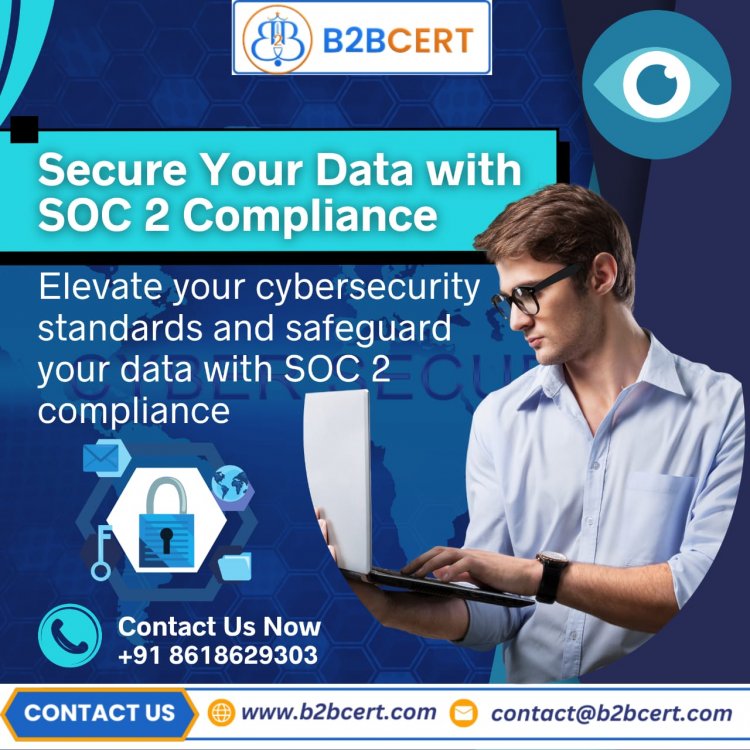
SOC 2 Certification in Miami helps organizations demonstrate that their systems, services, and operational controls are designed and managed to protect customer information. For Miami-based technology companies, SaaS providers, cloud service businesses, financial technology firms, healthcare technology organizations, and other service providers handling sensitive data, SOC 2 can strengthen customer confidence and support vendor security requirements.
 isocertification
SOC 2 Certification in Miami helps organizations demonstrate that their systems, services, and operational controls are designed and managed to protect customer information. For Miami-based technology companies, SaaS providers, cloud service businesses, financial technology firms, healthcare technology organizations, and other service providers handling sensitive data, SOC 2 can strengthen customer confidence and support vendor security requirements.
A SOC 2 engagement requires more than preparing documents. Organizations need to identify relevant risks, establish appropriate controls, implement those controls consistently, maintain evidence, and undergo an independent examination. For businesses operating in Miami’s competitive technology and service environment, a structured approach can make the process more practical and measurable.
Why SOC 2 Certification Matters for Miami Businesses
Miami has a growing ecosystem of technology companies, professional service providers, financial businesses, healthcare organizations, and digital platforms. Many of these organizations process customer information through cloud infrastructure, applications, databases, and third-party services.
SOC 2 can help demonstrate that security and related controls are being managed systematically. It may also support organizations when responding to customer security questionnaires, procurement reviews, contractual requirements, and enterprise vendor assessments.
The value of SOC 2 depends on the organization’s actual control environment. A strong engagement connects security requirements with the company’s systems, employees, processes, vendors, and day-to-day operations rather than treating compliance as a documentation exercise.
Building a Practical SOC 2 Control Environment
The SOC 2 process should begin by understanding the systems and services included within the examination scope. Miami organizations should identify the applications, infrastructure, personnel, facilities, vendors, and information flows that support the services being evaluated.
Typical control areas can include:
- Access management and user permissions
- Security monitoring and incident response
- Change management
- Risk assessment
- Employee onboarding and termination
- Data protection
- Backup and recovery
- Vendor management
- Vulnerability management
- Security policies and procedures
- System availability and operational monitoring
Controls should be assigned to responsible personnel and supported by evidence that can be consistently maintained.
Preparing for SOC 2 Examination
Preparation is an important part of SOC 2 Certification in Miami because an organization must be able to demonstrate how its controls operate in practice. A readiness review can identify missing controls, inconsistent processes, incomplete evidence, and areas where policies do not reflect actual operations.
Organizations can prepare by reviewing:
- Existing security policies
- Access reviews
- Risk assessments
- Employee security training
- Incident records
- Change-management records
- Vendor assessments
- System monitoring
- Backup testing
- Security testing results
- Evidence collection procedures
The goal is to establish repeatable processes before the formal examination begins.
SOC 2 Type I and Type II Considerations
Organizations pursuing SOC 2 generally need to determine whether a Type I or Type II examination is appropriate for their business objectives.
A Type I examination focuses on whether relevant controls are suitably designed and implemented at a specific point in time. A Type II examination goes further by evaluating the operating effectiveness of controls over a defined period.
The appropriate approach depends on customer expectations, contractual requirements, organizational maturity, and the objectives of the SOC 2 engagement. Businesses should establish the examination scope and applicable Trust Services Criteria before developing their control program.
Maintaining SOC 2 Readiness in Miami
SOC 2 should not be treated as a one-time compliance project. Controls need to continue operating after the initial assessment. Miami organizations can maintain readiness through scheduled access reviews, employee training, vendor monitoring, risk assessments, security testing, incident management, and regular evidence collection.
Maintaining organized evidence also makes future examinations more manageable. Each control should have a clear owner, defined operating procedure, and appropriate supporting records.
For organizations serving enterprise customers, continuous readiness can also make responses to security reviews and customer due-diligence requests more efficient.
Choosing SOC 2 Support in Miami
When selecting support for SOC 2 Consultants in Miami, organizations should look for an approach based on their actual technology environment and service model. Generic policy packages may not accurately represent how a company manages applications, infrastructure, employees, vendors, or customer information.
Effective support should address the organization’s scope, identify control gaps, establish practical processes, organize evidence requirements, and prepare the business for examination.
B2BCERT can support organizations with SOC 2 readiness activities, control assessment, documentation, implementation guidance, evidence preparation, and examination preparation. The approach can be aligned with the organization’s operational environment so that compliance requirements are incorporated into existing business processes rather than handled separately.